How I Lead
One designer. Zero process. Thirty later.
In August 2017 I joined Agilysys as the only designer in the building. No team. No process. No infrastructure. Over eight years I built a 30-person design organization from the ground up — and used it to transform a portfolio of aging enterprise software into modern, competitive SaaS.
01 — Org Building
From one to thirty.
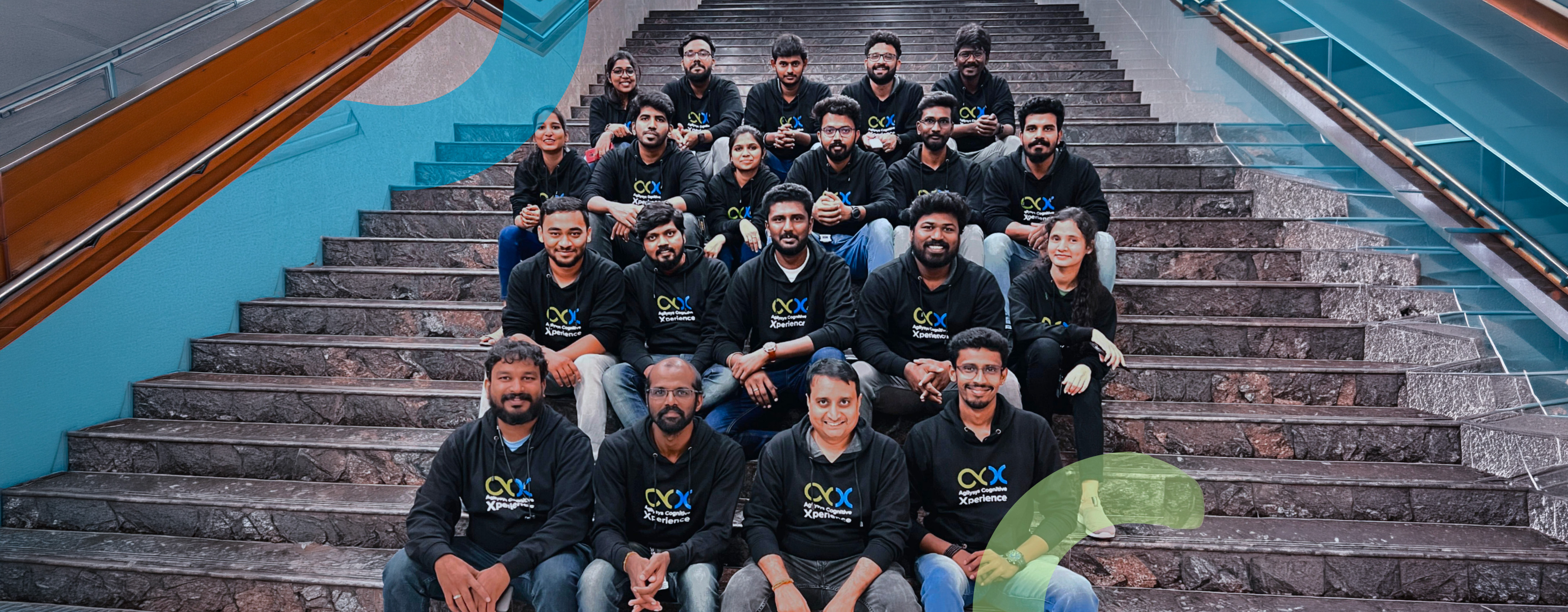
I built a 30-person design organization structured around dedicated product groups, each with its own design ownership — every level from Associate Designer to Design Manager, hired, developed, and retained almost entirely through my own frameworks.
Hiring was relentless in the early years — multiple interviews running in parallel while simultaneously delivering on live products. There was no pause button. I owned every dimension of scaling the function: hiring strategy, leveling, career paths, team budgeting, headcount planning, and sole ownership of tooling and equipment procurement.
Retention was never an accident. I built a culture where designers felt ownership, not just assignment — a stable, high-performing org that grew with the company rather than churning through it.
Designers · org built from scratch
02 — Hiring Philosophy
Hire for passion first. Capability second.
Skills can be developed. The hunger to grow cannot. Most of my team came from design schools across India — young, talented designers at the start of their careers, looking for a place where craft was taken seriously. I built my process to find exactly that.

Online Assessment
Every candidate starts with an aptitude and design-thinking test — filtering for baseline analytical ability and design awareness before anyone spends time on a portfolio review.
Design Scenario
Shortlisted candidates solve a real design scenario in Figma or Adobe XD. Not a trick — a window into how someone thinks, not just what they can produce. Process matters more than polish here.
Two-Round Interview
Senior team members assess communication, collaboration, and fit. I take the final round personally — to understand the person, what drives them, and their vision for their own future. I hire for a career, not a project.
Curiosity. Craft. The willingness to go deep on a problem rather than reach for the first solution. Designers who can articulate why, not just show what.
I hire from diverse backgrounds across India — no gender bias, no regional preference. A team that thinks differently, designs better. A cornerstone of how I built the org.
Every joiner goes through structured onboarding — team, products, process, culture. The goal is simple: make them feel they made the right decision on day one.
03 — Governance & Operations
Design at scale, without chaos.
Running a 30-person function across 15+ product teams demands more than coordination. It demands architecture. The goal was never to manage the chaos — it was to build a system that made chaos impossible.
04 — Design Strategy & Executive Alignment
Design at the decision table.
The most effective design leaders are not the ones who wait to be invited into strategy conversations. They are the ones already there. At Agilysys that meant a personal, open-door relationship with the CEO — no calendar invite required. That access isn't given. It's built — through consistency, credibility, and showing up with ideas that matter to the business, not just to design.
The full strategic spectrum
Design vision, business trends, ROI of UX investment, process maturity, competitive positioning — presented through detailed decks, videos, legacy-vs-redesign comparisons, and competitor research.
UX as a measurable discipline
I introduced monthly UX metrics across all products — giving leadership a consistent, quantifiable view of design performance. Design stopped being a subjective conversation and became a measurable one.
When executives said yes
New ideas were consistently well received — some championed specifically for key enterprise customers, directly supporting sales and retention. When design strategy aligns with revenue, executives pay attention.
"When the organisation pushed back, I took it upstairs. By securing alignment with the CEO, CTO, and SVPs first, I gave design decisions the organisational weight they needed to stick. Resistance at the middle layer dissolves when leadership has already signed on."

05 — Culture Building
Making UX everybody's business.
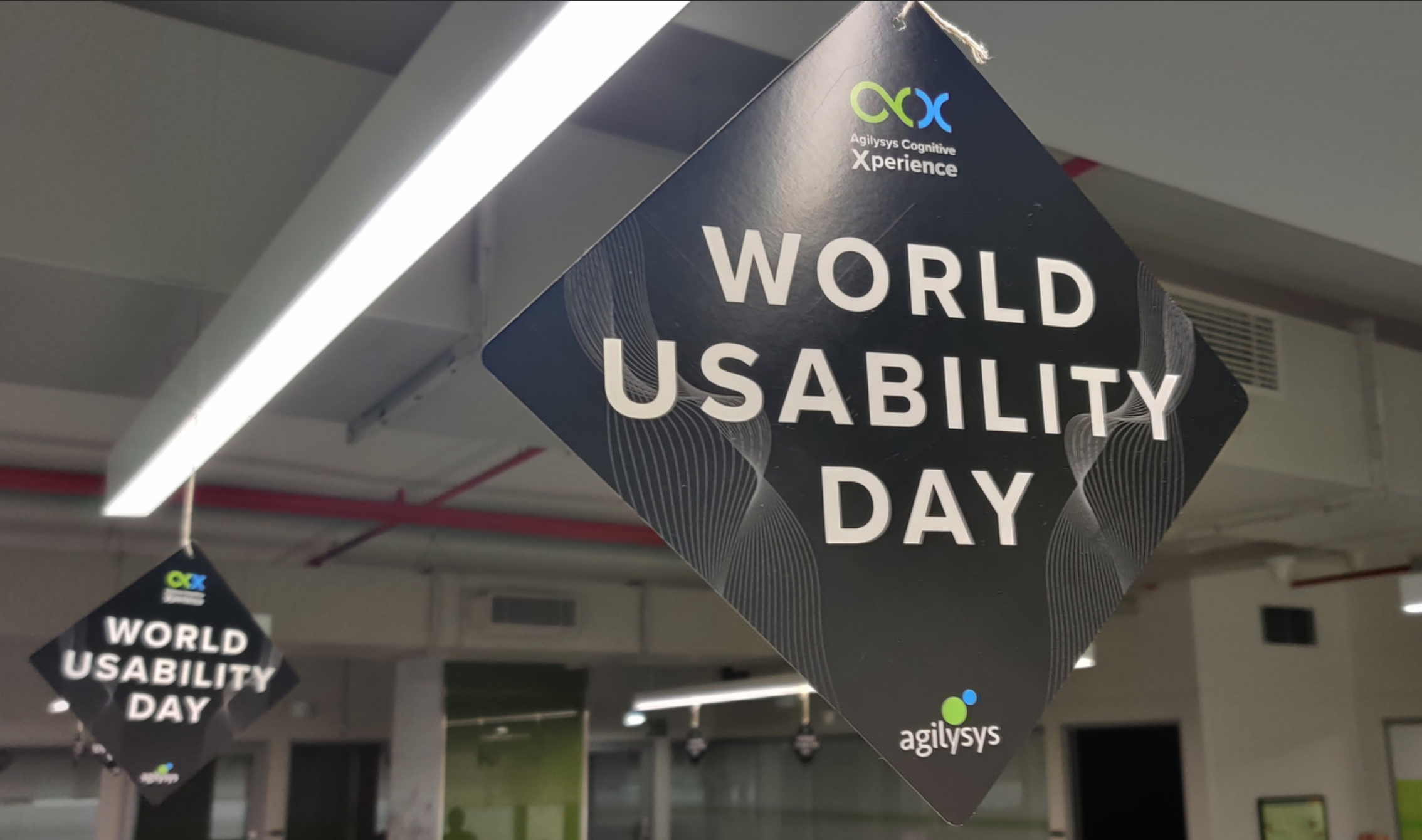
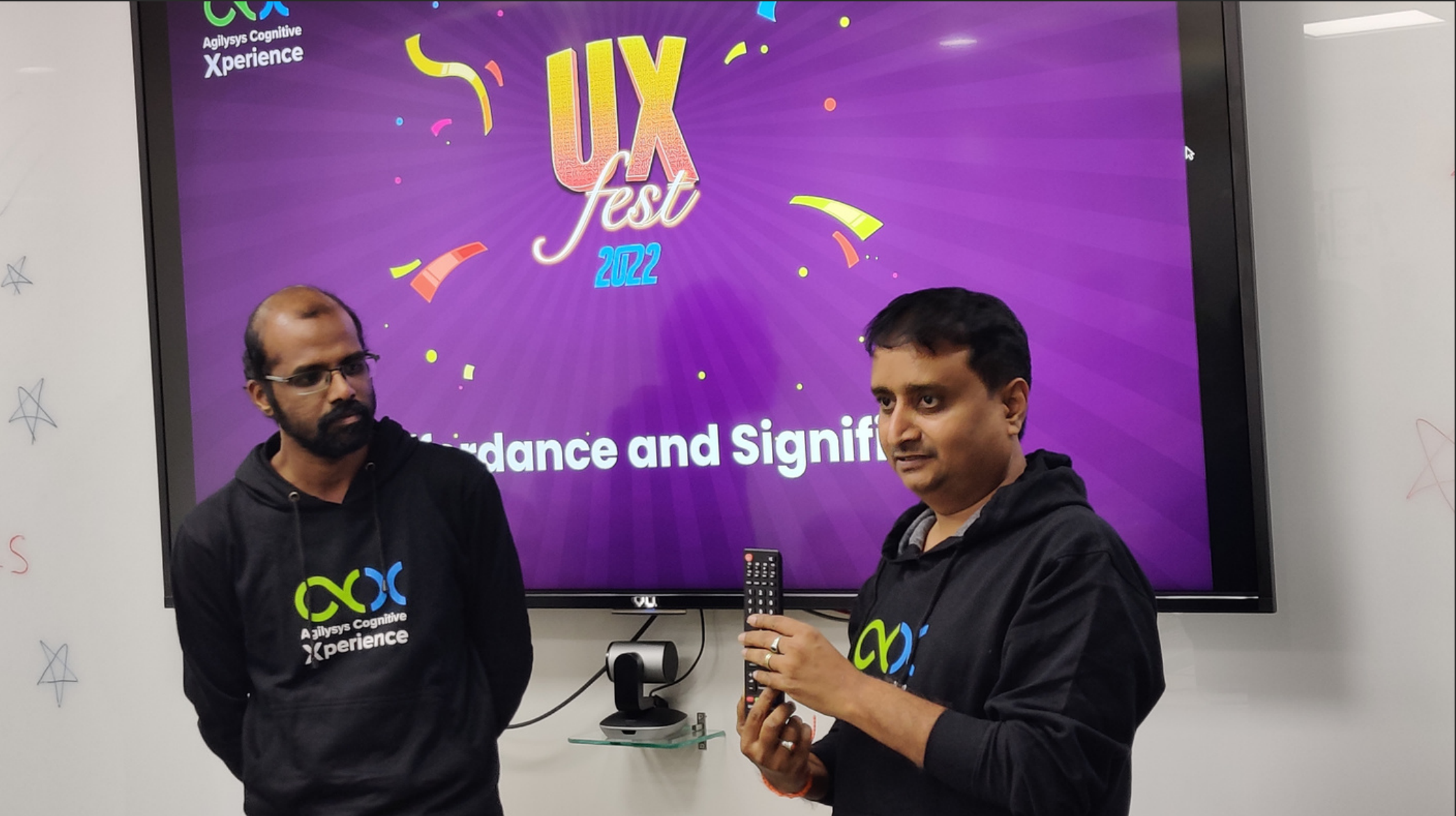
Great design culture doesn't live only in the design team. It has to spread — into engineering, product, leadership, every corner that touches the user experience. I founded and led two internal initiatives — World Usability Day and UX Fest — built to make UX real for people who don't design for a living.
A landmark moment · Nov 10, 2022
ACX
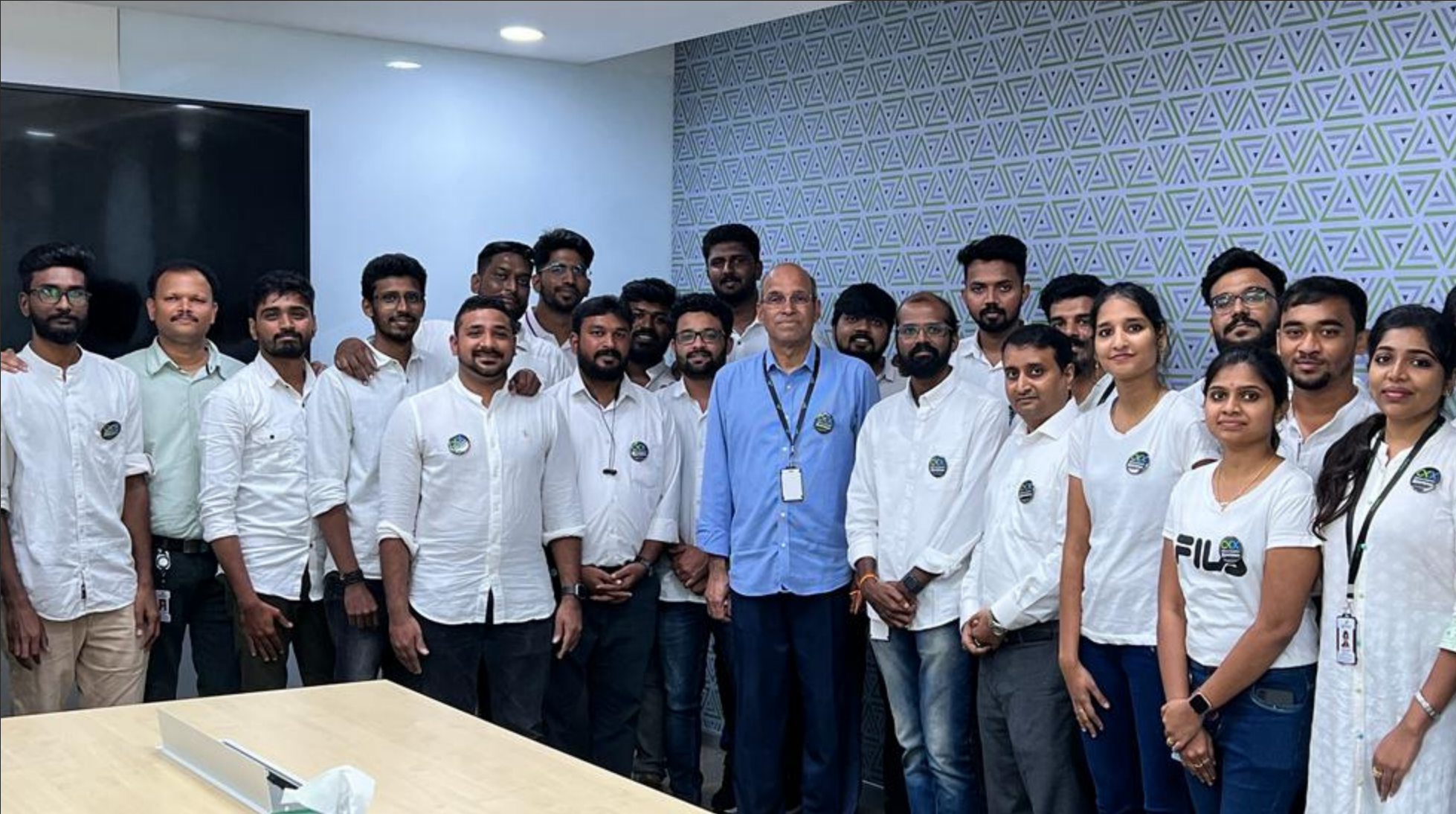
Agilysys Cognitive Experience — a new UX brand identity I conceptualised to formally distinguish UX as a discipline separate from UI. Unveiled by the Agilysys CEO himself at the India Development Center, in front of a cross-functional audience.
This was not a rebrand. It was a recognition — a signal from the top that UX was no longer a support function. It was a strategic capability with its own identity, its own voice, and its own seat at the table.
Hands-on, not lecture
Live demos and real-world scenarios — like how a TV remote is designed to be operated without thinking — chosen to help non-designers feel usability, not just hear about it. Quiz competitions and prizes kept the room full.
Who was in the room
VPs of Engineering, HR leadership, product stakeholders — not as observers but as active participants. When a VP spends thirty minutes failing a task on a bad screen, they stop asking why design takes time and start asking how they can help.
The impact
People who had never thought about UX started talking about it — raising usability concerns in their own domains and approaching design with respect that had to be earned. That is what design evangelism looks like when it works.
06 — Mentoring & Coaching
I'm a people person before I'm a design director.
The most important conversations I have are the informal ones — walking up to a junior designer at their desk, sitting beside them, and asking one question: why did you design it this way? Not to challenge. To understand. And then to guide.
In structured critique sessions the designer walks through their work, the room asks questions, and I speak last. When feedback comes from peers first — with reasoning, not reaction — it lands differently. By the time I give my perspective, the team has already done most of the thinking together.
"Feedback without rationale is just opinion. When every designer can articulate reasoning, not just preference, the whole team gets better together. That's the kind of team that doesn't need to be managed. It self-corrects."


Build the team. Build the outcome.
If you're building a product organization and need someone who can lead design at scale — let's have a conversation.